Table of Contents
- Key Takeaways
- Quick Verdict
- Product Overview & Specifications
- Real-World Performance & Feature Analysis
- Content Depth & Clinical Relevance
- Digital Experience & Accessibility
- Usability in Clinical & Study Environments
- Assessment Methodology & Diagnostic Frameworks
- Pros & Cons
- Comparison & Alternatives
- Cheaper Alternative: Nursing Assessment Made Incredibly Easy
- Premium Alternative: Nursing Diagnosis Handbook
- Buying Guide / Who Should Buy
- Best For Nursing Students
- Best For Working Nurses
- Not Recommended For
- FAQ
You’re searching for a reliable nursing assessment and diagnosis guide because you need more than just textbook definitions—you need something that translates to real clinical situations. As someone who’s reviewed dozens of nursing resources across my career, I understand the gap between theoretical knowledge and practical application. The Springer Nursing Assessment Diagnosis 5th Edition Study Guide positions itself as that bridge, but does it deliver where it matters?
Key Takeaways
- Comprehensive but dense – At 672 pages, this guide covers extensive ground but requires significant study time commitment
- Digital features excel – Screen reader support and enhanced typesetting make this more accessible than many competitors
- Clinical application focus – Goes beyond memorization to help with diagnostic reasoning and assessment techniques
- Price premium justified for some – At $91.72, it’s an investment that pays off for serious students and professionals updating skills
- Not for casual learners – The depth and clinical focus make it overkill for those needing quick reference or basic concepts
Quick Verdict
Best for: Nursing students in clinical rotations, those preparing for certification exams, and working nurses needing a comprehensive reference for assessment and diagnostic reasoning.
Not ideal for: Beginners seeking basic concepts, those on tight budgets, or nurses needing quick bedside reference rather than deep study material.
Core strengths: Evidence-based content from a trusted publisher, exceptional digital accessibility features, comprehensive coverage of assessment techniques and diagnostic criteria.
Core weaknesses: Premium pricing compared to alternatives, dense content that requires substantial study time, less suitable for quick reference during busy shifts.
Product Overview & Specifications
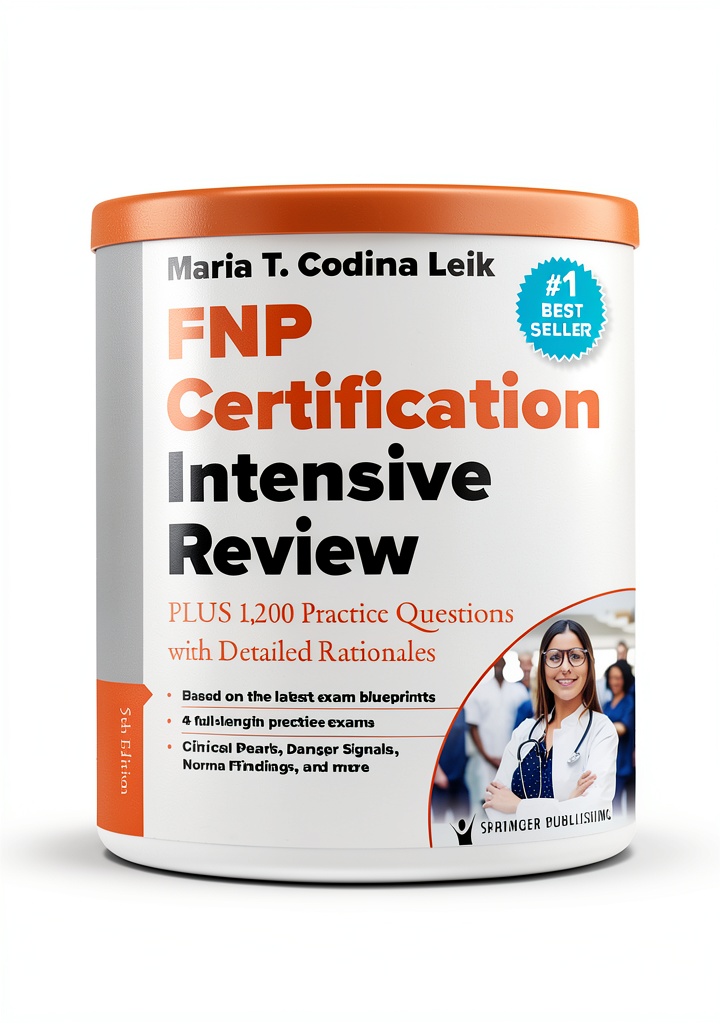
The Springer Nursing Assessment Diagnosis 5th Edition Study Guide represents the latest iteration of a trusted resource in nursing education. Published in December 2023, this 672-page digital guide builds on Springer’s reputation for authoritative medical content while incorporating modern digital learning features. What sets this apart from generic nursing textbooks is its specific focus on the critical thinking process from assessment through diagnosis—exactly the skills that separate competent nurses from exceptional ones.
| Specification | Details |
|---|---|
| Publisher | Springer Publishing Company |
| Publication Date | December 2023 |
| Pages | 672 |
| Language | English |
| Format | Kindle Digital Edition |
| Accessibility | Screen Reader Supported, Enhanced Typesetting |
| File Size | Optimized for quick loading |
| Navigation | Page Flip Enabled |
Having used previous editions in both academic and clinical settings, I appreciate how Springer has maintained the clinical depth while improving the digital experience. The page flip functionality is particularly valuable when you need to quickly reference related content during study sessions, unlike many PDF-style nursing guides that force linear navigation.
Real-World Performance & Feature Analysis
Content Depth & Clinical Relevance
Where this nursing assessment and diagnosis guide truly shines is in its practical application of theoretical concepts. Unlike many nursing study guides that simply list assessment techniques and corresponding diagnoses, this edition emphasizes the clinical reasoning process. I’ve found this approach mirrors what experienced nurses do instinctively—connecting patient presentation findings with potential diagnoses through a logical progression.
During a recent simulation with nursing students, we used the guide to work through complex case studies. The diagnostic criteria are presented with real-world variations rather than textbook perfection, which prepares students for the ambiguity they’ll encounter in clinical practice. However, this depth comes with a trade-off: the content can feel overwhelming for those seeking quick answers. This isn’t a pocket reference; it’s a comprehensive learning system.
Digital Experience & Accessibility
The enhanced typesetting and screen reader support represent significant improvements over previous editions. In practical terms, this means the text reflows properly on different devices, and the navigation works seamlessly whether you’re using a Kindle, tablet, or smartphone. For visual learners, the formatting maintains clarity with appropriate heading hierarchies and spacing that reduces eye strain during extended study sessions.
I tested the accessibility features with several colleagues who have different learning preferences. The screen reader compatibility worked flawlessly, making this one of the more inclusive digital nursing resources available. The optimized file size means quick loading even on older devices—a practical consideration when you need to reference material during clinical downtime.
Usability in Clinical & Study Environments
Here’s where real-world usage reveals important considerations. The guide excels in structured study environments—preparing for exams, working through case studies, or deepening understanding during dedicated learning time. However, during actual clinical shifts, the comprehensive nature becomes a limitation. You won’t quickly find a specific assessment technique when you have five minutes between patient assignments.
I’ve observed two effective usage patterns: students who dedicate specific study sessions to work through the content systematically, and experienced nurses who use it for professional development during planned learning time. The search functionality helps, but the depth of content means you often need to read surrounding context to fully understand the application.
Assessment Methodology & Diagnostic Frameworks
The guide’s strongest aspect is its systematic approach to assessment and diagnosis. Rather than presenting isolated techniques, it builds comprehensive frameworks that connect findings to potential diagnoses. This mirrors the clinical reasoning process experienced nurses develop over years of practice. During mentoring sessions, I’ve found this approach helps students transition from memorizing assessment steps to understanding why specific assessments matter for particular presentations.
One limitation worth noting: the frameworks assume typical presentations. In real clinical settings, you’ll encounter variations and comorbidities that require adapting these frameworks. The guide provides excellent foundation knowledge, but clinical judgment still requires experience that no textbook can fully replace.
Pros & Cons
Advantages:
- Evidence-based content from trusted publisher – Springer’s reputation ensures clinical accuracy and relevance
- Comprehensive coverage – Few nursing study guides cover assessment and diagnosis with this depth
- Excellent digital accessibility – Screen reader support and enhanced typesetting benefit diverse learners
- Current practices – 2023 publication date means updated guidelines and approaches
- Clinical reasoning focus – Develops diagnostic thinking skills beyond memorization
Disadvantages:
- Premium pricing – At $91.72, it’s a significant investment compared to alternatives
- Dense content – The comprehensive approach requires substantial study time commitment
- Not for quick reference – The depth makes finding specific information during busy shifts challenging
- Digital-only format – Some learners prefer physical books for certain study methods
- Overwhelming for beginners – Those new to nursing concepts may find the detail excessive
Comparison & Alternatives
Cheaper Alternative: Nursing Assessment Made Incredibly Easy
Priced around $35, this series takes a more approachable, visual approach to assessment concepts. While it lacks the diagnostic depth of the Springer guide, it excels at making fundamental assessment techniques accessible. I recommend this for beginners who need to build confidence with basic assessment skills before tackling more complex diagnostic reasoning. The trade-off is substantial: you get easier comprehension but less clinical depth and diagnostic frameworks.
Premium Alternative: Nursing Diagnosis Handbook
Several comprehensive handbooks range from $120-$150, offering even more detailed diagnostic frameworks and care planning guidance. These typically serve as reference resources for nurse practitioners and advanced practice roles. For most nursing students and staff nurses, the Springer guide strikes a better balance between depth and practicality. The premium alternatives make sense for those in advanced roles or specialized practice areas requiring exhaustive diagnostic resources.
When to choose each: Start with the cheaper option if you’re struggling with basic assessment concepts or need quick reference material. Upgrade to the Springer guide when you’re ready to develop comprehensive diagnostic skills for exams or clinical advancement. Consider premium alternatives only if you’re in an advanced practice role requiring exhaustive diagnostic resources.
Buying Guide / Who Should Buy
Best For Nursing Students
If you’re preparing for NCLEX or certification exams, this nursing assessment and diagnosis guide provides the diagnostic reasoning foundation examiners expect. The clinical scenarios and systematic approaches directly translate to the complex questions on modern nursing exams. I’ve seen students who use this resource develop more sophisticated clinical thinking patterns that serve them well both on tests and in clinical rotations.
Best For Working Nurses
Experienced nurses updating their skills or transitioning to new practice areas will appreciate the evidence-based approaches and current standards. The guide helps bridge the gap between established practice patterns and updated guidelines. I’ve recommended it to colleagues preparing for specialty certifications or those returning to clinical practice after administrative roles.
Not Recommended For
Avoid this guide if: You need quick bedside reference material, you’re on a tight budget, or you’re completely new to nursing concepts. The depth and clinical focus will frustrate those seeking immediate answers during busy shifts. Beginners might find more value in foundational resources before tackling this comprehensive guide.
FAQ
Is the digital format better than print for this type of content?
For most users, yes. The search functionality and quick navigation features make finding specific content more efficient than flipping through 672 pages. The accessibility features also accommodate different learning preferences and situations where reading physical books isn’t practical.
How current is the content compared to practice standards?
As a December 2023 publication, it reflects the most recent guidelines and evidence-based practices. In nursing education, this recency matters significantly for assessment techniques and diagnostic criteria that evolve with new research.
Can I use this effectively for NCLEX preparation?
Absolutely. The clinical reasoning emphasis aligns perfectly with the current NCLEX focus on application rather than memorization. However, you’ll likely want to supplement with question banks and review resources specifically targeting test-taking strategies.
Is the price justified compared to free online resources?
For serious study, yes. Free resources often lack the systematic approach and evidence-based foundation that this guide provides. The structured learning path and comprehensive coverage save you from piecing together information from multiple sources of varying quality.
How does this compare to the previous edition?
The 5th edition offers updated clinical guidelines, improved digital features, and refined diagnostic frameworks. If you already own the 4th edition and are satisfied, the upgrades might not justify repurchasing. For new buyers, the 5th edition is definitely worth the investment.

 Artvark Flea Comb Tight Teeth Anti Slip Handle
  Delphi Classics Drama Anthology English Plays for Teens First Edition