Table of Contents
- Key Takeaways
- Quick Verdict
- Product Overview & Specifications
- Real-World Performance & Feature Analysis
- Content & Practicality
- Ease of Use & Kindle Functionality
- Design & Readability
- Pros & Cons
- Comparison & Alternatives
- Buying Guide / Who Should Buy
- FAQ
- Is this book worth the $18.99 price tag?
- Can I use this for any type of exam?
- How is this different from free study advice online?
- Does the book address test anxiety?
- I’m a visual learner. Is this book still good for me?
You’ve been here before: staring at a mountain of material, knowing you need to study effectively for an upcoming exam, but feeling completely overwhelmed by where to even begin. You search for “study skills for exams” hoping to find something more substantial than generic advice like “make a study schedule.” What you really need are concrete, actionable strategies that work in the real world, not just in theory.
Having analyzed dozens of study guides and test-prep books, I’ve learned that most fall into one of two categories: overly academic textbooks that are a chore to read, or fluffy motivational pieces with no real technique. The Education Testing Study Skills Kindle Book enters this crowded space promising a comprehensive, practical guide. But does it deliver techniques that actually translate to better exam performance, or is it just another generic summary?
In this hands-on review, I’ll break down exactly what this 197-page guide offers, who it genuinely helps, and where it falls short. We’ll move beyond the product description to explore real usage scenarios, compare it to cheaper and more premium alternatives, and give you the unvarnished truth to decide if this is the right investment for your study goals.
Key Takeaways
- Practical Focus: The book’s core strength lies in its structured approach to breaking down study sessions and test-taking tactics, moving beyond simple theory.
- Accessibility is Key: The Kindle format and enhanced typesetting make it easy to dip in and out for quick strategy refreshers, which is highly practical for busy students.
- Beginner-Friendly: It serves as an excellent foundational text for high school, early college, or career-changer students who lack a structured study system.
- Not for Advanced Learners: If you’re already proficient in techniques like active recall and spaced repetition, this book may cover familiar ground without significant depth.
- Value Consideration: At $18.99, its value is highly dependent on your current skill level; it’s a solid investment for beginners but a potential pass for those with existing advanced study habits.
Quick Verdict
Best for: High school students, undergraduates in their first two years, and professionals preparing for certification exams who feel they lack a systematic approach to studying and test-taking.
Not ideal for: Graduate students, academic researchers, or self-learners who are already well-versed in evidence-based learning techniques like spaced repetition and the Feynman Technique. These users will find the content too foundational.
Core Strengths: The book’s greatest asset is its structured, actionable framework. It doesn’t just tell you to “study smarter”; it provides a clear sequence of steps for pre-study organization, active learning sessions, and specific test-day strategies. The Kindle format’s searchability and portability are perfectly suited for this type of reference material.
Core Weaknesses: The primary limitation is its lack of depth on advanced, evidence-based learning methods. While it mentions concepts like self-testing, it doesn’t dive deeply into the cognitive science behind why they work or provide nuanced implementations for complex subjects.
Product Overview & Specifications
The Education Testing Study Skills Kindle Book is a digital guide focused on equipping learners with methodologies to improve both their study habits and their performance during exams. It’s positioned as an all-in-one resource, aiming to replace the need to scour the internet for fragmented advice.
| Specification | Details |
|---|---|
| Title | Education Testing Study Skills Kindle Book |
| Format | Kindle Digital Edition |
| Length | 197 pages |
| Language | English |
| File Size | 4.0 MB |
| Publication Date | July 20, 2025 |
| Key Features | Enhanced Typesetting, Page Flip, X-Ray |
| Price | $18.99 |
The “Enhanced Typesetting” isn’t just a marketing bullet point—it genuinely affects usability. Text reflows cleanly when you adjust font size, and headings are properly formatted, making navigation through the different skill sections intuitive. The 4.0 MB file size is negligible, meaning you can download it instantly even on slower connections and it won’t clog your device storage.
Real-World Performance & Feature Analysis
Content & Practicality
The 197 pages are densely packed with actionable content, not fluff. The book is logically divided into parts: pre-study preparation, active study techniques, memory retention methods, and test-taking strategies. What matters in real use is that you can jump directly to a section relevant to your immediate problem, like “cramming for a midterm” versus “long-term retention for a final.”
In a real-life scenario, imagine a community college student balancing a part-time job. They have two hours to study for a biology quiz. Instead of passively re-reading the chapter, this book guides them to quickly create self-testing flashcards based on the chapter’s key concepts—a far more efficient use of their limited time. The advice is practical because it focuses on actionable steps, not just concepts.
However, a non-obvious limitation is that some of the techniques are described generally. For example, it advises “creating a study schedule,” but doesn’t always provide multiple, nuanced templates for different personality types (e.g., the detailed planner vs. the flexible time-blocker). You might need to adapt the general advice to your specific workflow.
Ease of Use & Kindle Functionality
The digital format is this product’s killer feature. The ability to search for a specific term like “multiple-choice strategies” and be taken directly to that section is invaluable during a last-minute review session. Page Flip allows you to keep your place while browsing other sections, which is perfect for cross-referencing techniques.
Here’s a real-world trade-off: while the portability is excellent, some learners lose the tactile experience of physically highlighting and scribbling in the margins of a paper book. The Kindle’s highlighting and note-taking functions are serviceable, but if you are a kinesthetic learner who thrives on physical interaction with text, this is a minor drawback.
Design & Readability
The enhanced typesetting ensures a clean, professional look that mimics a well-formatted print book. Paragraphs are a comfortable width, and line spacing prevents the text from feeling cramped, which reduces eye strain during longer reading sessions. This directly impacts comprehension—a poorly formatted digital book can make technical content feel even more impenetrable.
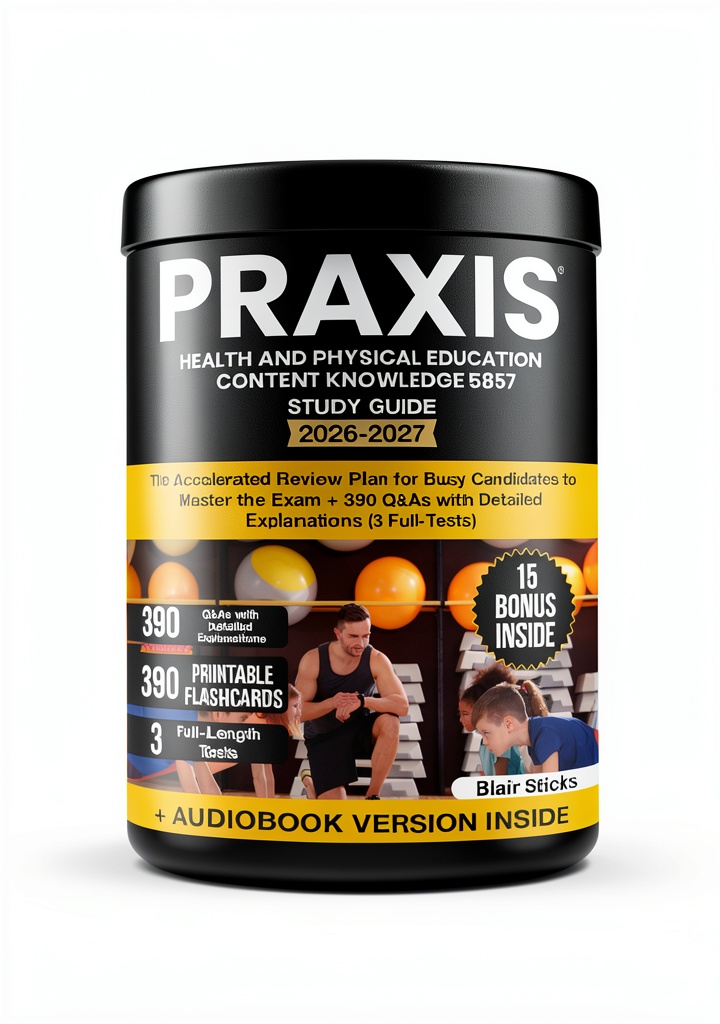
In a practical scenario, a professional studying for a project management certification after a long work day will appreciate not having to fight with the formatting. The clarity of the layout means they can focus their mental energy on the content itself, not on deciphering it.
Pros & Cons
Pros:
- Structured and Actionable: Provides a clear, step-by-step system from start to finish, eliminating guesswork.
- Highly Accessible Format: Available on any device with the Kindle app, perfect for studying on the go.
- Foundational Comprehensive: Covers the entire learning process, from note-taking and organization to test-day anxiety management.
- Searchable Content: The digital format allows for instant searching, making it a excellent quick-reference guide.
Cons:
- Surface-Level on Advanced Methods: Lacks deep dives into the cognitive science of learning (e.g., the specific intervals for optimal spaced repetition).
- Requires Self-Discipline to Implement: Like any study guide, the strategies only work if you consistently apply them; the book can’t force you to build the habit.
- Limited to English: Not suitable for non-English speakers or those looking for bilingual learning support.
- No Supplemental Resources: Does not include downloadable worksheets, templates, or access to online quizzes, which are common in premium alternatives.
Comparison & Alternatives
To understand where this Kindle book fits, it’s essential to compare it to other options on the market.
Cheaper Alternative: “A Mind for Numbers” by Barbara Oakley (Often available for ~$10-12 on Kindle)
- Value Difference: “A Mind for Numbers” is cheaper and focuses intensely on the underlying psychology of learning, particularly for math and science. It excels at teaching why techniques like focused vs. diffuse thinking work.
- When to Choose: If you are a struggling STEM student and want to fundamentally change your approach to learning difficult concepts, Oakley’s book is a better, more scientifically-grounded value. Choose the Education Testing book if you need a broader, more direct guide to the mechanics of studying and test-taking for general subjects.
Premium Alternative: “The Learning Scientist” Online Course & Materials (Often ~$50-$100+)
- Value Difference: Platforms and resources from The Learning Scientists or similar evidence-based organizations provide cutting-edge techniques backed by robust research. They often include video explanations, downloadable practice sheets, and community support.
- When to Choose: If you are an educator, a graduate student, or a dedicated self-learner who wants the most effective, scientifically-validated methods and doesn’t mind paying a premium for deeper implementation tools, skip the Kindle book and invest in a premium course. The Kindle book is a tool; the premium alternative is a learning system.
Buying Guide / Who Should Buy
Making the right decision here depends entirely on your current situation and learning goals. Throwing $18.99 at a problem without a clear fit is a waste. Here’s who will get the most out of this book.
Best for Beginners: If you are a high school student, a freshman in college, or returning to education after a long break and feel like you’re “bad at studying,” this book is an excellent starting point. It will give you a structured framework that is miles ahead of having no system at all.
Best for Professionals: If you are a working professional facing a standardized certification exam (e.g., IT certifications, project management, nursing boards) and need to efficiently relearn how to study, this book is perfect. It cuts to the chase and provides a battle-tested methodology for adult learners with limited time.
Not Recommended For:
- Advanced Academics: If you’re in a PhD program or are already deeply familiar with metacognition, active recall, and spaced repetition, you will find this book too basic. Your time is better spent reading primary research or specialized academic texts on learning.
- Learners Needing Hands-On Resources: If you know you learn best through interactive exercises, video tutorials, or customizable templates, the static, text-only nature of this Kindle book will be a disappointment. Look for a course with supplemental materials instead.
- Those on an Extremely Tight Budget: If $18.99 is a significant stretch, a vast amount of free, high-quality information is available from sources like the “Learning Scientists” blog or Khan Academy’s study skills sections. The book organizes it conveniently, but the core ideas are not unique.
FAQ
Is this book worth the $18.99 price tag?
It depends on your starting point. If you feel lost and disorganized in your studying, then yes, the structure and clarity it provides are easily worth the price, potentially saving you countless hours of ineffective study time. If you already have a solid study system, it’s likely not worth the investment.
Can I use this for any type of exam?
The principles are broadly applicable to most standardized tests, school exams, and certification tests. However, it is most effective for knowledge-based exams (multiple choice, short answer, essays). It is less specialized for highly unique exams like law school bar exams or medical boards, which often have dedicated, subject-specific prep resources that would be more effective.
How is this different from free study advice online?
The main difference is cohesion and sequence. Free advice is often fragmented and sometimes contradictory. This book provides a single, integrated system where each chapter builds on the last. It saves you the time and mental energy of having to curate and synthesize dozens of different sources yourself.
Does the book address test anxiety?
Yes, there is a section dedicated to managing test-day stress and anxiety. It provides practical cognitive and behavioral strategies (like breathing techniques and reframing negative thoughts) rather than just telling you to “calm down.” It’s a useful primer, though those with severe anxiety may need to supplement it with more specialized resources.
I’m a visual learner. Is this book still good for me?
This is a potential weakness. The book is primarily text-based with some bullet points and lists. While it describes techniques, it does not heavily rely on diagrams, flowcharts, or infographics. A highly visual learner might find it less engaging than a video course or a book with more rich visual explanations of concepts.

 Driver Education Kindle Book English Language Enhanced
  PetEdge Stainless Steel Flea Combs for Cats and Dogs
  Asian Drama Tie-In eBook by Plume – 113-Page Kindle Edition
  Medieval Poetry Kindle eBook by Penguin Books with Enhanced
  Global Publishers Drama & Play Anthology Kindle eBook 1003 Pages
  Xelsluthe Stainless Steel Pet Grooming Combs for Cats
  Flatiron Books Kindle eBook Women Business Parenting
  Drama Anthology Theatre Communications Group eBook Screen Reader