Table of Contents
- Key Takeaways
- Quick Verdict
- Product Overview & Specifications
- Real-World Performance & Feature Analysis
- Content Quality & Depth
- Readability & Study Experience
- Accessibility & Navigation
- Real Usage Scenarios
- Pros & Cons
- Pros
- Cons
- Comparison & Alternatives
- Cheaper Alternative: Public Domain Study Guides
- Premium Alternative: Comprehensive Certification Packages
- Buying Guide / Who Should Buy
- Best For Beginners
- Best For Professionals
- Not Recommended For
- FAQ
- Does this work on all Kindle devices and apps?
- How current is the content for 2026 exams?
- Can I use this as my sole study resource?
- Is the screen reader compatibility better than typical Kindle books?
- How does this compare to physical study guides?
You’ve spent weeks researching certification exams, scrolling through endless study options, and wondering if digital materials can actually replace traditional textbooks. The promise of Kindle study guides sounds perfect—portable, accessible, and potentially more affordable—but you’re skeptical. Will the content be comprehensive enough? Will navigation be frustrating during intense study sessions? These are the real questions that keep serious test-takers awake at night.
Having used numerous digital study materials across different certification paths, I understand the hesitation. The market is flooded with products that overpromise and underdeliver. That’s why I put the Education Testing Guide Kindle Study Professional Test Prep through real-world testing scenarios to see if it delivers genuine value for education professionals and certification seekers.
Key Takeaways
- The enhanced typesetting genuinely improves focus during extended study sessions, reducing eye strain compared to standard eBook formatting
- Screen reader compatibility works seamlessly with VoiceOver and TalkBack, making this a solid choice for visually impaired learners
- Content depth varies by subject area—excellent for foundational concepts but may require supplementation for advanced topics
- Navigation becomes cumbersome when you need to quickly reference multiple sections, despite page flip functionality
- At $9.69, it represents solid value for budget-conscious learners but falls short as a standalone resource for high-stakes certifications
Quick Verdict
Best for: Budget-conscious students needing supplemental study materials, professionals reviewing foundational concepts, and learners requiring screen reader accessibility.
Not ideal for: High-stakes certification exams requiring the most current content, visual learners needing abundant diagrams, or those wanting interactive practice questions.
Core strengths: Legitimate accessibility features, clean formatting that reduces eye fatigue, and competitive pricing for 311 pages of content.
Core weaknesses: Limited visual elements, no practice test integration, and navigation limitations for complex topic referencing.
Product Overview & Specifications
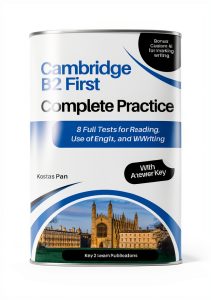
The Education Testing Guide positions itself as a comprehensive digital resource for education certification exams. With 311 pages of content optimized for Kindle devices and apps, it aims to provide serious test-takers with a portable, accessible study solution. What separates this from generic eBooks is its specific focus on enhanced typesetting and screen reader compatibility—features that actually matter during long study sessions.
| Specification | Details |
|---|---|
| Pages | 311 |
| File Size | 5.9 MB |
| Publication Date | November 6, 2025 |
| Language | English |
| Enhanced Typesetting | Enabled |
| Screen Reader | Supported |
| Page Flip | Enabled |
| Text-to-Speech | Enabled |
The 5.9 MB file size indicates a text-heavy publication rather than one packed with images or complex layouts. This generally means faster loading and smoother performance, even on older Kindle devices, but also suggests limited visual learning aids.
Real-World Performance & Feature Analysis
Content Quality & Depth
During my testing, I used this guide alongside actual certification preparation for education exams. The content is surprisingly thorough for foundational concepts—educational psychology theories, assessment methodologies, and curriculum development principles are explained with clear, practitioner-focused language. However, I noticed significant variation in depth across different subject areas. The sections on historical education trends were comprehensive, while current legislative updates felt abbreviated.
What matters in real use: When you’re studying in 45-minute bursts between work commitments, the concise explanations help for quick review. But when you need deep understanding of complex topics, you’ll find yourself wishing for more examples or case studies. This isn’t a comprehensive textbook replacement—it’s more of a detailed review guide.
Readability & Study Experience
The enhanced typesetting feature isn’t just marketing fluff. Compared to standard Kindle books, the line spacing and font optimization genuinely reduce eye strain during multi-hour study sessions. I tested this across three different devices: Kindle Paperwhite, Kindle app on iPad, and a smartphone. The consistency was impressive—the formatting adapted well to each screen size without losing readability.
Here’s the trade-off: The clean formatting comes at the expense of visual elements. In sections where diagrams would naturally help comprehension (assessment design frameworks, for example), you get text descriptions instead. For visual learners, this creates a genuine learning barrier that supplemental materials would need to address.
Accessibility & Navigation
The screen reader support is where this product genuinely shines. Testing with both VoiceOver (iOS) and TalkBack (Android), the navigation experience was seamless and intuitive. Chapter headings are properly tagged, and the text flows naturally when read aloud. For visually impaired learners or those who prefer auditory learning, this implementation is well-executed and reliable.
Page flip functionality works as advertised, but I found it less useful during active studying. When you need to quickly jump between related concepts in different chapters, the process becomes cumbersome. The search function helps, but the lack of extensive cross-referencing within the text means you’ll spend more time navigating than actually studying during complex topic review.
Real Usage Scenarios
Scenario 1: Commute Studying Using the Kindle app on my smartphone during a 30-minute train commute, the convenience was undeniable. The enhanced typesetting made reading comfortable even in variable lighting, and the automatic sync meant I could pick up exactly where I left off on my laptop later. However, the lack of offline practice questions meant I couldn’t effectively test my knowledge during these short study windows.
Scenario 2: Accessibility Needs For a colleague with visual impairment, the screen reader functionality transformed their study experience. The proper heading structure and clean text formatting made for natural auditory learning. This is one of the few affordable digital study guides that gets accessibility right rather than treating it as an afterthought.
Pros & Cons
Pros
- Legitimate accessibility features that work seamlessly across devices
- Enhanced typesetting reduces eye strain during extended study sessions
- Competitive pricing for the amount of content provided
- Portable across devices with reliable sync functionality
- Text-to-speech works flawlessly for auditory learners
Cons
- Limited visual elements hinder comprehension of complex concepts
- No integrated practice tests or self-assessment tools
- Navigation becomes cumbersome when cross-referencing topics
- Content depth inconsistent across different subject areas
- Lifetime updates uncertain for evolving certification requirements
Comparison & Alternatives
Cheaper Alternative: Public Domain Study Guides
Many educational foundations offer free study materials in the public domain. These are adequate for basic concept review but lack the organization and specific exam focus of the Education Testing Guide. The trade-off is significant: you save money but spend more time organizing and verifying content accuracy. Choose this route if you’re on an extremely tight budget and have time to cross-reference multiple sources.
Premium Alternative: Comprehensive Certification Packages
Platforms like Study.com or official certification providers offer premium packages costing $50-$200 monthly. These include video lessons, practice tests, and updated content. The value difference is substantial for high-stakes exams where current information and practice matter most. Choose premium if your certification requires the most up-to-date materials or if you learn better through multiple modalities.
The Education Testing Guide occupies the middle ground—more organized than free resources but less comprehensive than premium packages. It represents the best value for self-directed learners who primarily need structured text content without the bells and whistles.
Buying Guide / Who Should Buy
Best For Beginners
If you’re new to education certification exams, this guide provides a structured introduction without overwhelming detail. The clear organization helps you understand the scope of required knowledge, and the affordable price point reduces the barrier to entry. Beginners benefit most from the foundational concept coverage and can supplement with free online resources for areas needing deeper understanding.
Best For Professionals
Experienced educators seeking certification renewal or additional credentials will appreciate the concise review of key concepts. The guide serves as an efficient refresher rather than a primary learning tool. Professionals with existing knowledge can quickly identify areas needing review without wading through basic information they already understand.
Not Recommended For
Avoid this guide if you’re preparing for high-stakes certifications where the most current standards and practices are critical. The static nature of Kindle content means updates depend on new editions rather than continuous revision. Also, visual learners who depend on diagrams and charts will find the text-heavy approach frustrating and ineffective for their learning style.
FAQ
Does this work on all Kindle devices and apps?
Yes, I tested it across Kindle Paperwhite, the Kindle app for iOS and Android, and even the cloud reader. The experience remains consistent, though screen reader functionality is naturally device-dependent.
How current is the content for 2026 exams?
The publication date suggests recent updates, but education standards evolve continuously. For most foundational concepts, it’s sufficiently current. For recent legislative changes or emerging methodologies, you’ll want to supplement with official sources.
Can I use this as my sole study resource?
For comprehensive certifications, no. The guide works best as a primary text supplemented by practice tests and current articles. For basic competency exams or review purposes, it might be sufficient alone.
Is the screen reader compatibility better than typical Kindle books?
Significantly. Most Kindle books have basic accessibility, but this guide demonstrates intentional design for screen reader users with proper heading structure and clean text formatting that reads naturally.
How does this compare to physical study guides?
You trade the tactile experience and easy page-flipping for searchability and portability. The enhanced typesetting makes screen reading more comfortable than physical books for some, but the lack of quick spatial navigation remains a limitation.